


In the modern manufacturing landscape, the pursuit of sustainability has become a driving force for industries across the globe. As a supplier of CNC Suit Cutters, I am often asked about the environmental benefits of our cutting - edge technology. In this blog, I will delve into the various ways in which using a CNC Suit Cutter can contribute positively to the environment.
Precision Cutting Reduces Material Waste
One of the most significant environmental advantages of a CNC Suit Cutter is its ability to achieve unparalleled precision in cutting. Traditional cutting methods, such as manual cutting or using less advanced machinery, often result in a considerable amount of material waste. Human error can lead to inaccurate cuts, and the lack of automated precision means that patterns may not be laid out optimally on the fabric.
In contrast, a CNC Suit Cutter uses computer - controlled algorithms to calculate the most efficient way to cut patterns from a given piece of fabric. It can place patterns closer together, minimizing the gaps between them and thus reducing the amount of fabric that is left over as scrap. For example, in a large - scale suit manufacturing operation, even a small reduction in waste per suit can add up to a substantial amount of saved fabric over time. This not only conserves natural resources but also reduces the amount of textile waste that ends up in landfills.
Energy Efficiency
CNC Suit Cutters are designed with energy efficiency in mind. These machines are equipped with advanced motors and control systems that optimize energy consumption. Unlike some older cutting technologies that may run continuously at a high power level, CNC Suit Cutters can adjust their power usage based on the specific cutting tasks.
For instance, when the machine is idling or performing less demanding operations, it can operate at a lower power setting. Additionally, the precision of the cutting process means that the machine can complete tasks more quickly, reducing the overall time it needs to be powered on. This results in lower energy consumption compared to traditional cutting methods, which often require more brute force and longer operating times. By using less energy, CNC Suit Cutters help to decrease the carbon footprint associated with suit manufacturing.
Reduction in Chemical Usage
In traditional cutting processes, chemicals are sometimes used to treat the fabric before or after cutting. These chemicals can be harmful to the environment and human health. For example, some chemicals are used to prevent fraying or to enhance the cutting process.
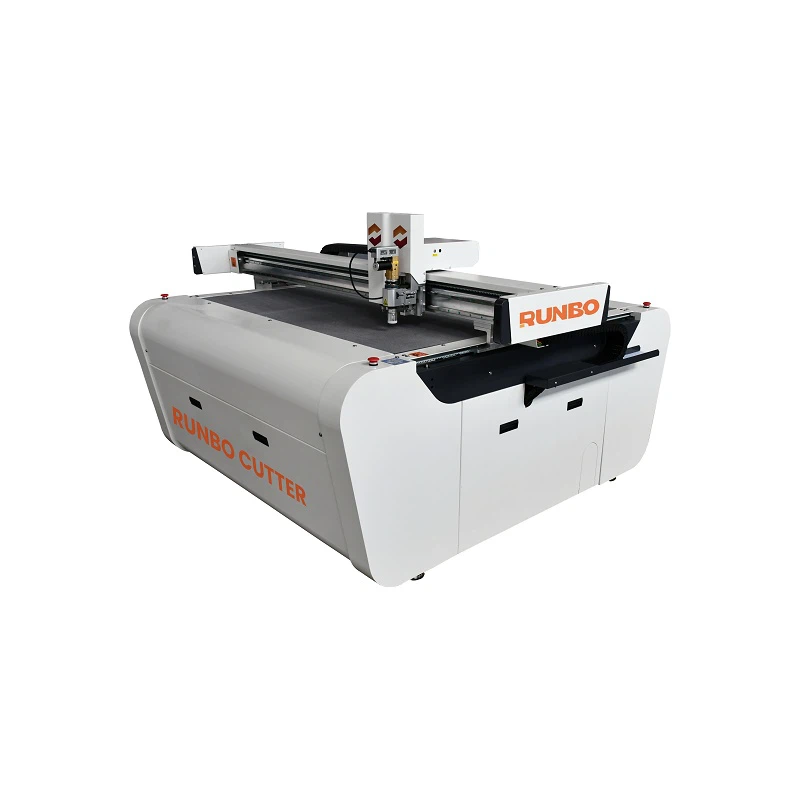

CNC Suit Cutters, on the other hand, rely on mechanical and digital precision rather than chemical treatments. The clean and accurate cuts made by these machines reduce the need for chemical - based solutions. This not only eliminates the potential environmental pollution caused by the production, use, and disposal of these chemicals but also contributes to a healthier working environment for factory workers.
Long - Term Durability and Reduced Replacement Rate
Our CNC Suit Cutters are built to last. They are constructed with high - quality materials and advanced engineering techniques, which means they have a longer lifespan compared to many traditional cutting machines. A longer - lasting machine reduces the demand for new equipment production, which in turn conserves resources used in manufacturing.
When a machine has to be replaced frequently, it requires the extraction of raw materials, energy for manufacturing, and transportation. By investing in a durable CNC Suit Cutter, manufacturers can reduce their overall environmental impact associated with equipment turnover. Moreover, the long - term reliability of these machines means less downtime and more consistent production, which is beneficial for both the environment and the bottom line.
Compatibility with Sustainable Materials
As the demand for sustainable fashion grows, more and more manufacturers are turning to eco - friendly materials such as organic cotton, recycled polyester, and bamboo fabric. CNC Suit Cutters are highly compatible with these sustainable materials.
The precision cutting capabilities of these machines ensure that the unique properties of sustainable fabrics are not compromised during the cutting process. For example, organic cotton may be more delicate than conventional cotton, and a CNC Suit Cutter can cut it with the necessary finesse to avoid damage. This compatibility encourages the use of sustainable materials in suit manufacturing, further promoting environmental sustainability in the fashion industry.
Comparison with Other Cutting Machines in the Industry
When compared to other cutting machines in the market, such as the Bag Luggage Sample Cutting Machine, Leather Cutting Machine, and Shoe Material Sample Cutting Machine, our CNC Suit Cutter stands out in terms of environmental benefits.
These other machines may have their own advantages in their respective applications, but the CNC Suit Cutter's focus on precision, energy efficiency, and material conservation gives it an edge when it comes to environmental sustainability. While the other machines are designed for specific materials and products, the CNC Suit Cutter is optimized for suit - making, which often involves large - scale fabric usage and can have a significant environmental impact if not managed properly.
Encouraging a Sustainable Future in Suit Manufacturing
As a supplier of CNC Suit Cutters, we are committed to promoting environmental sustainability in the suit manufacturing industry. We believe that by providing manufacturers with the tools to reduce waste, save energy, and use sustainable materials, we can contribute to a greener future.
We encourage manufacturers to consider the long - term environmental and economic benefits of investing in our CNC Suit Cutters. Not only will they be able to reduce their environmental impact, but they will also likely see improvements in their production efficiency and product quality.
If you are a suit manufacturer interested in learning more about how our CNC Suit Cutters can benefit your business and the environment, we invite you to reach out to us for a consultation. We are ready to discuss your specific needs and show you how our technology can help you achieve your sustainability goals.
References
- "Sustainable Textile Manufacturing: Technologies and Processes" by various authors, published by Woodhead Publishing.
- "Energy Efficiency in Manufacturing: A Guide for Small and Medium - Sized Enterprises" by the United Nations Industrial Development Organization.
- Industry reports on the environmental impact of textile waste and the role of advanced cutting technologies.


