


As a supplier of Small Multi - layer Cutting Machines, I often encounter inquiries about the machine's capabilities, especially regarding its ability to cut multi - layer jute. In this blog, I will delve into the technical aspects, advantages, and limitations of using a Small Multi - layer Cutting Machine for cutting multi - layer jute.
Technical Specifications of Small Multi - layer Cutting Machines
Small Multi - layer Cutting Machines are designed to handle specific cutting tasks with precision and efficiency. These machines typically come with a range of features that make them suitable for various materials. For instance, they are equipped with sharp blades or laser cutting heads that can make clean and accurate cuts. The cutting force and speed can be adjusted according to the requirements of the material being cut.
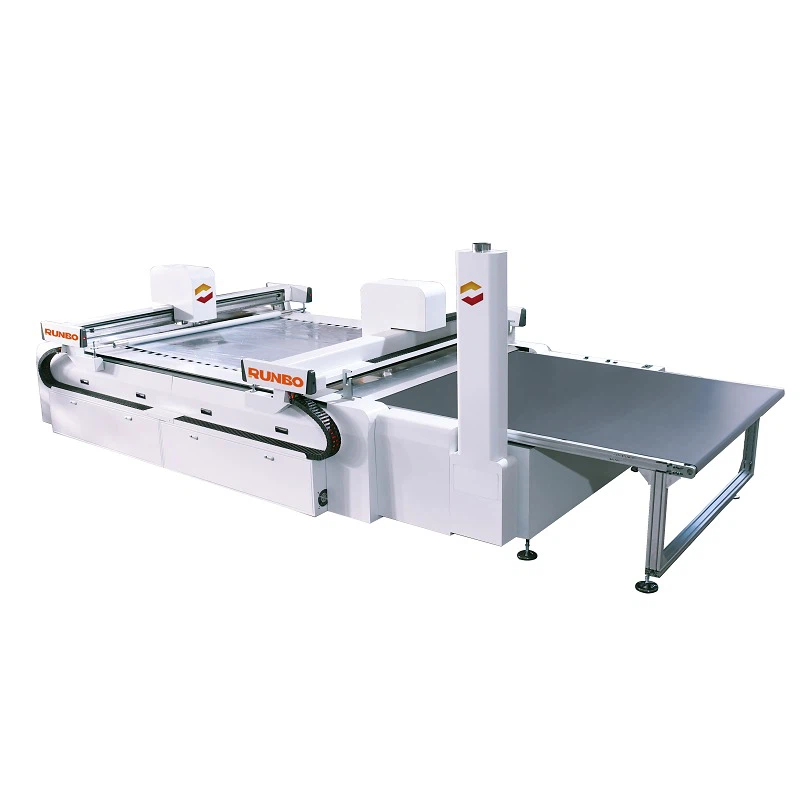
The Small Multi - layer Cutting Machine usually has a compact design, which makes it suitable for small - scale production or workshops with limited space. It can handle a certain number of layers of materials at once, depending on the thickness and density of the material.
Characteristics of Jute
Jute is a natural fiber that is known for its strength and durability. It is commonly used in the production of various products such as sacks, carpets, and handicrafts. Jute fibers are relatively thick and have a certain degree of stiffness. When multiple layers of jute are stacked together, the overall thickness and density increase, which poses challenges for cutting.
Can a Small Multi - layer Cutting Machine Cut Multi - layer Jute?
The answer is yes, a Small Multi - layer Cutting Machine can cut multi - layer jute under certain conditions. The machine's ability to cut multi - layer jute depends on several factors:
1. Blade or Cutting Head
The type of blade or cutting head used in the machine is crucial. For jute, a sharp and durable blade is required. A high - quality blade can penetrate through multiple layers of jute without getting dull quickly. Some Small Multi - layer Cutting Machines are equipped with special blades designed for cutting fibrous materials like jute. Laser cutting heads can also be effective, as they can provide a clean and precise cut without causing fraying of the jute fibers.
2. Cutting Force
The cutting force of the machine needs to be sufficient to cut through the multi - layer jute. The density of jute can vary, and if the machine does not have enough cutting force, it may not be able to make a clean cut. Most Small Multi - layer Cutting Machines allow for the adjustment of cutting force, which can be optimized for cutting jute.
3. Number of Layers
The number of jute layers that the machine can cut depends on its specifications. Generally, a Small Multi - layer Cutting Machine can handle a relatively small number of jute layers compared to larger machines. However, for small - scale production or prototyping, it can still be sufficient. For example, if the jute layers are not too thick, the machine may be able to cut 3 - 5 layers at a time.
Advantages of Using a Small Multi - layer Cutting Machine for Jute
1. Cost - Effective
Small Multi - layer Cutting Machines are generally more affordable than larger machines. For small businesses or startups that are working with jute, investing in a small machine can be a cost - effective solution. It allows them to start production without a large capital investment.
2. Space - Saving
As mentioned earlier, these machines have a compact design. This is beneficial for workshops or factories with limited space. They can be easily installed and operated in a small area, making them suitable for small - scale jute processing.
3. Flexibility
Small Multi - layer Cutting Machines offer a certain degree of flexibility. They can be used for different cutting tasks and can be adjusted to cut various materials, including jute. This makes them a versatile tool for small - scale production.
Limitations
1. Limited Cutting Capacity
Compared to Gantry Cutting Machine or Large Multi - layer Cutting Machine, the cutting capacity of a Small Multi - layer Cutting Machine is limited. It may not be able to handle a large number of jute layers or very thick jute stacks.

2. Lower Production Speed
The production speed of a small machine is generally lower than that of larger machines. This can be a drawback for large - scale jute processing where high - volume production is required.
Considerations for Using a Small Multi - layer Cutting Machine for Jute
1. Material Preparation
Before cutting multi - layer jute, it is important to prepare the material properly. The jute layers should be stacked evenly to ensure a consistent cut. Any wrinkles or unevenness in the jute can affect the cutting quality.
2. Maintenance
Regular maintenance of the machine is essential to ensure its optimal performance. This includes blade sharpening, lubrication of moving parts, and checking the cutting force and speed settings.
3. Safety
When operating the Small Multi - layer Cutting Machine, safety precautions should be taken. Operators should wear appropriate protective gear, such as gloves and safety glasses, to prevent injuries.
Conclusion
In conclusion, a Small Multi - layer Cutting Machine can be a viable option for cutting multi - layer jute, especially for small - scale production. It offers cost - effectiveness, space - saving, and flexibility. However, it also has limitations in terms of cutting capacity and production speed. If you are considering using a Small Multi - layer Cutting Machine for your jute processing needs, carefully evaluate your requirements and the machine's capabilities.
If you are interested in learning more about our Small Multi - layer Cutting Machines or would like to discuss your specific jute cutting requirements, please feel free to reach out. We are here to provide you with the best solutions for your business.
References
- "Jute: Properties and Applications" - Journal of Natural Fibers
- "Cutting Technologies for Textile Materials" - Textile Research Journal


