


Hey there! I'm a supplier from a CNC Cutter factory, and today I wanna chat about how we optimize our production layout. It's a crucial aspect that can make or break the efficiency and profitability of our business. So, let's dive right in!
First off, let's understand why optimizing the production layout is so important. A well - planned layout can reduce the time it takes to move materials and products around the factory. This means less waiting time between different production steps, which in turn boosts overall productivity. It also helps in making the best use of the available space, saving on rent and other associated costs.
One of the first things we do is analyze our production process. We break down the entire manufacturing of our CNC cutters into smaller steps. For example, we have the raw material storage area, where we keep all the metals, plastics, and other components needed for production. Then comes the machining area, where the actual cutting, drilling, and shaping of parts take place. After that, there's the assembly area, where all the parts are put together to form a complete CNC cutter. And finally, we have the quality control and packaging area.
To start optimizing, we look at the flow of materials. We want to make sure that the materials move in a logical and efficient way through the factory. For instance, we try to place the raw material storage close to the machining area. This way, workers don't have to walk long distances to get the materials they need. It also reduces the chances of materials getting lost or damaged during transportation.
In our machining area, we group similar machines together. For example, all the cutting machines are placed in one section, and the drilling machines in another. This makes it easier for workers to specialize in operating a particular type of machine. They can become more proficient, which leads to higher - quality work and faster production times.

Another important factor is the space utilization. We measure the floor space of our factory carefully and try to fit in as many machines and workstations as possible without overcrowding. Overcrowding can lead to safety hazards and also make it difficult for workers to move around. We use tools like 3D modeling software to visualize different layout options. This helps us see how everything will fit together before we actually make any changes.
Now, let's talk about the importance of having a clear and organized workspace. We label all the storage areas, machines, and workstations. This makes it easy for workers to find what they need quickly. For example, each shelf in the raw material storage has a label indicating what type of material is stored there. In the assembly area, workstations are clearly marked with the specific tasks that need to be done at each one.
We also pay attention to the ergonomics of the work environment. Workers spend long hours in the factory, so we want to make sure that their workstations are comfortable. We adjust the height of the machines and workbenches to reduce the risk of back pain and other physical problems. This not only improves the well - being of our workers but also increases their productivity.
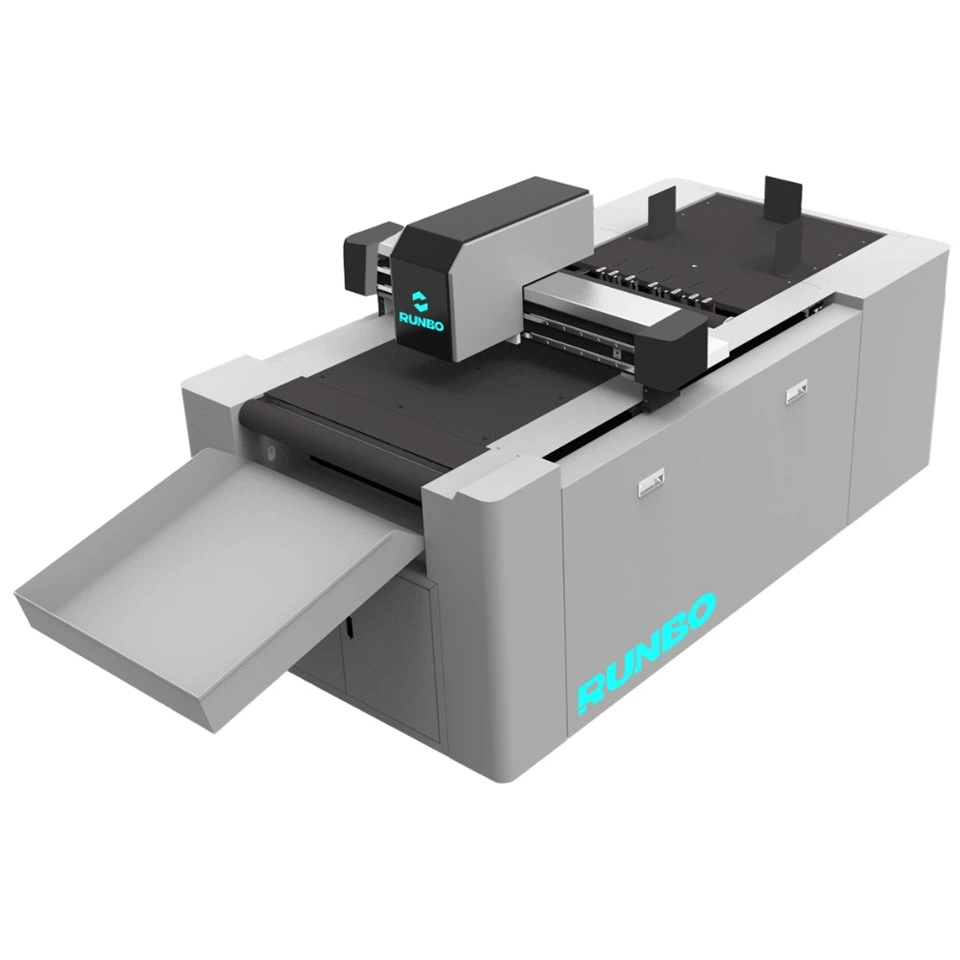
When it comes to our product range, we have some really cool machines. Check out our Advertising Materials Cutting Machine – High - end Model. It's a top - notch machine designed for cutting all kinds of advertising materials with precision. And if you're in the packaging industry, our Packaging Cutting Machine is a great choice. It can handle different types of packaging materials efficiently. Also, our Advertising Graphics Cutting Machine is perfect for creating high - quality advertising graphics.
We also consider the future growth of our business when optimizing the production layout. We leave some extra space in the factory for new machines and workstations that we might need as our production volume increases. This way, we don't have to completely re - arrange the layout every time we expand.
Communication is key in a factory environment. We make sure that there are clear communication channels between different departments. For example, the machining department can easily communicate with the assembly department if there are any issues with the parts. This helps in quickly resolving problems and keeping the production process running smoothly.
We also involve our workers in the optimization process. They are the ones who work on the factory floor every day, so they have valuable insights. We hold regular meetings where they can share their ideas about how to improve the layout. Sometimes, they come up with really innovative solutions that we might not have thought of.
In addition to all these, we keep an eye on the latest trends in factory layout design. New technologies are constantly emerging that can make our production even more efficient. For example, there are now automated guided vehicles (AGVs) that can move materials around the factory without human intervention. We're considering implementing such technologies in the future to further optimize our production layout.
To sum it up, optimizing the production layout in a CNC Cutter factory is a continuous process. It involves analyzing the production process, improving the flow of materials, utilizing space effectively, ensuring a comfortable work environment, and staying updated with the latest trends. By doing all these things, we can increase our productivity, reduce costs, and produce high - quality CNC cutters.
If you're interested in our CNC cutters or want to discuss how our optimized production layout can benefit your business, we'd love to hear from you. Reach out to us for a procurement discussion, and let's see how we can work together to meet your needs.
References
- Lean Manufacturing Principles: A Guide to Factory Optimization
- Factory Layout Design: Best Practices and Case Studies


