


When it comes to industrial cutting processes, two machines often come into consideration: the large multi - layer cutting machine and the plasma cutting machine. As a supplier of Large Multi-layer Cutting Machine, I am well - versed in the features and differences of these two cutting tools. In this blog, we will delve into the key disparities between them to help you make an informed decision for your industrial cutting needs.
Working Principle
The working principle is the fundamental aspect that sets these two machines apart.
A plasma cutting machine operates on the principle of using a high - velocity jet of ionized gas (plasma) to cut through electrically conductive materials. An electrical arc is formed between an electrode and the workpiece, and this arc heats the gas to a very high temperature, turning it into plasma. The plasma jet then melts and blows away the material, creating a cut. This process is highly effective for cutting through various metals such as steel, stainless steel, aluminum, and copper.
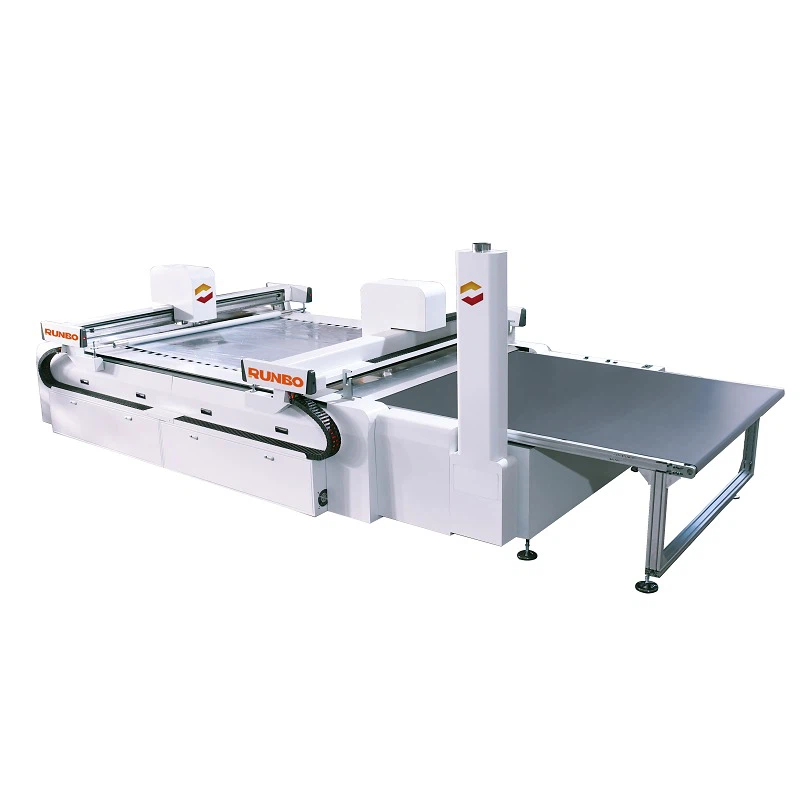
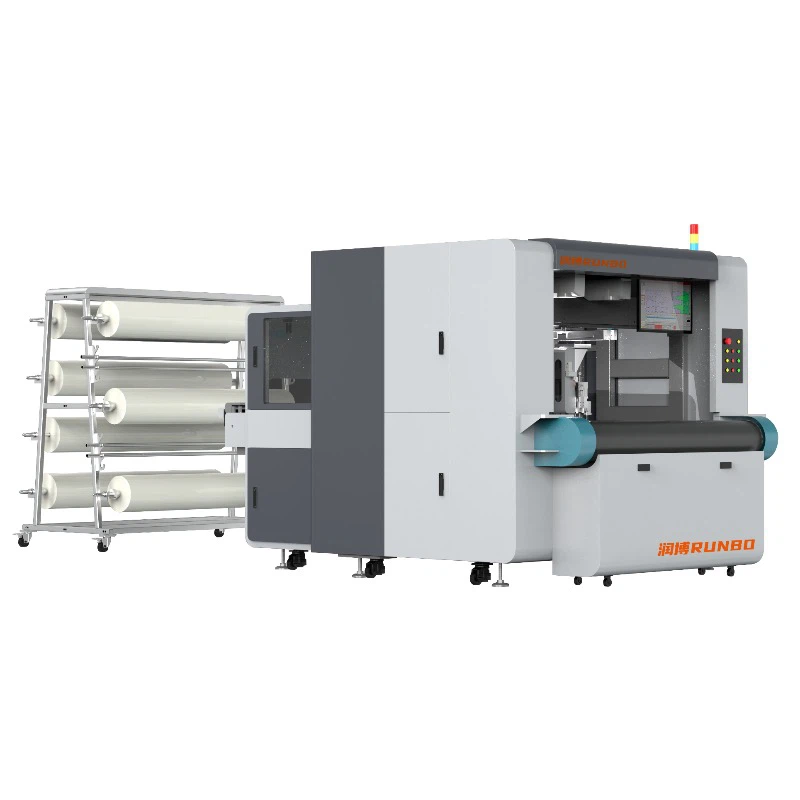
On the other hand, a large multi - layer cutting machine uses different cutting methods depending on the specific model. Some large multi - layer cutting machines use mechanical blades to cut through multiple layers of materials simultaneously. These blades can be adjusted to different cutting depths and angles to meet various cutting requirements. Other models may use laser or waterjet cutting technologies. Laser - based large multi - layer cutting machines use a high - intensity laser beam to melt, burn, or vaporize the material, while waterjet cutting machines use a high - pressure stream of water mixed with abrasive particles to cut through the materials.
Cutting Capacity
Cutting capacity is another significant difference between the two machines.
Plasma cutting machines are known for their ability to cut through thick metal sheets. They can typically cut metals ranging from a few millimeters to several inches in thickness, depending on the power of the plasma cutter. For example, a small - scale plasma cutter might be able to cut through 6 - 10 mm thick steel, while industrial - grade plasma cutters can handle steel sheets up to 150 mm thick. However, plasma cutting is mainly limited to electrically conductive materials.
Large multi - layer cutting machines, as the name suggests, are designed to cut through multiple layers of materials at once. They are highly versatile in terms of the types of materials they can cut. They can handle not only metals but also non - metallic materials such as plastics, fabrics, wood, and composites. The number of layers that can be cut simultaneously depends on the machine's design and power. Some large multi - layer cutting machines can handle up to 10 or more layers of thin materials, making them ideal for mass production in industries such as textile, furniture, and packaging.
Precision and Quality of Cut
The precision and quality of the cut are crucial factors in many industrial applications.
Plasma cutting machines can achieve relatively high precision, especially when using advanced CNC (Computer Numerical Control) systems. However, the cut edge produced by plasma cutting may have a slight bevel and some heat - affected zones. The heat - affected zone can cause changes in the material's properties, such as hardness and brittleness, which may be a concern in some applications.
Large multi - layer cutting machines, especially those using laser or waterjet cutting technologies, can offer extremely high precision. Laser cutting provides a very narrow kerf (the width of the cut), resulting in minimal material loss. The cut edges are smooth and clean, with no significant heat - affected zones. Waterjet cutting also offers high precision and can cut complex shapes without causing any thermal damage to the material. When using mechanical blades, the precision depends on the blade's sharpness and the machine's stability, but with proper maintenance, it can still achieve satisfactory results for many applications.
Speed of Cutting
The speed of cutting is an important consideration for industries that require high - volume production.
Plasma cutting machines can cut through materials relatively quickly, especially when cutting thick metals. The cutting speed depends on the material type, thickness, and the power of the plasma cutter. For thin - gauge metals, plasma cutting can be extremely fast, with cutting speeds of several meters per minute.
Large multi - layer cutting machines' cutting speed varies depending on the cutting method and the number of layers being cut. Mechanical blade - based large multi - layer cutting machines may have a slower cutting speed compared to plasma cutting machines, especially when cutting through thick or hard materials. However, laser - based large multi - layer cutting machines can be very fast, especially for cutting thin materials. Waterjet cutting machines, while providing high - quality cuts, typically have a slower cutting speed compared to plasma and laser cutting, especially for thick materials.
Cost Considerations
Both the initial purchase cost and the operating cost are important factors when choosing a cutting machine.
Plasma cutting machines can range in price from a few thousand dollars for small, portable models to hundreds of thousands of dollars for industrial - grade systems. The operating cost includes the cost of the plasma gas (such as oxygen, nitrogen, or argon), electrodes, and nozzles, which need to be replaced regularly. Additionally, the power consumption of plasma cutters can also contribute to the operating cost.
Large multi - layer cutting machines also have a wide price range. The cost depends on the cutting technology used, the machine's size, and its features. Laser - based large multi - layer cutting machines are generally more expensive than mechanical blade or waterjet - based machines. The operating cost of a large multi - layer cutting machine varies depending on the cutting method. Laser cutting machines have high power consumption and may require regular maintenance of the laser source. Waterjet cutting machines have the cost of water, abrasive materials, and pump maintenance. Mechanical blade - based machines have lower operating costs, mainly including blade replacement and lubrication.
Application Areas
The application areas of these two machines are also different due to their unique characteristics.
Plasma cutting machines are widely used in the metal fabrication industry, including automotive manufacturing, shipbuilding, and construction. They are ideal for cutting large - scale metal parts, such as steel beams, sheets, and pipes. Plasma cutting is also commonly used in metal art and sculpture, where the ability to quickly cut through metal is essential.
Large multi - layer cutting machines have a broader range of applications. In the textile industry, they are used to cut multiple layers of fabrics for clothing, upholstery, and curtains. In the furniture industry, they can cut wood, plastic, and composite materials for furniture components. The packaging industry also benefits from large multi - layer cutting machines, as they can cut through cardboard, foam, and other packaging materials. Moreover, in the aerospace and defense industries, large multi - layer cutting machines using high - precision cutting technologies are used to cut composite materials for aircraft and missile components.
Conclusion
In conclusion, the large multi - layer cutting machine and the plasma cutting machine have their own unique features and advantages. The plasma cutting machine is a powerful tool for cutting thick metals, offering fast cutting speeds and relatively high precision for metal - based applications. On the other hand, the large multi - layer cutting machine is highly versatile, capable of cutting through multiple layers of various materials, including metals and non - metals, with high precision in many cases.
If you are looking for a machine to cut thick metals in large quantities, a plasma cutting machine may be the right choice. However, if you need to cut multiple layers of different materials, especially non - metallic materials, or require high - precision cuts with minimal heat - affected zones, a Large Multi - layer Cutting Machine would be more suitable. We also offer Small Multi - layer Cutting Machine for applications with lower volume requirements, and Gantry Cutting Machine for large - scale and high - precision cutting needs.
If you are interested in learning more about our large multi - layer cutting machines or have specific requirements for your industrial cutting needs, please do not hesitate to contact us for a purchase consultation. We are committed to providing you with the best cutting solutions and excellent customer service.
References
- "Cutting Technology Handbook", Industrial Press Inc.
- "Advanced Manufacturing Processes", CRC Press


