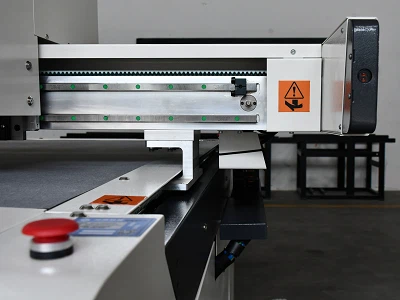
Cutting machines have become an essential part of modern manufacturing, enabling businesses across various industries to work with a diverse range of materials with precision, speed, and consistency. As cutting technology evolves-ranging from manual tools and mechanical die-cutting machines to advanced CNC digital cutters, laser systems, and waterjet cutters-the range of materials suitable for cutting machines has expanded significantly.
Selecting the right machine requires understanding not only its capabilities but also the characteristics of the materials being processed. Each material interacts differently with cutting tools, and choosing the wrong method may result in burned edges, deformation, chipping, excessive wear on the blades, or poor-quality results.
This comprehensive article explores the major categories of materials suitable for cutting machines, discussing their properties, compatible cutting technologies, and best-use scenarios. Whether you work in leather production, automotive interiors, packaging, signage, apparel, or industrial manufacturing, this guide will help you understand how to match your materials with the most effective cutting methods.
1. Soft Materials
Soft materials are among the easiest to process using cutting equipment. These materials generally respond well to mechanical cutting tools, such as oscillating knives, rotary knives, drag knives, and die-cutting systems.
Common Soft Materials
Leather (genuine leather and synthetic leather)
Fabric (cotton, polyester, nylon, canvas, Oxford cloth, felt)
Foam (EPE, EVA, sponge)
Rubber
Carpet and mats
Non-woven fabrics
Paper and cardboard
Recommended Cutting Methods
CNC oscillating knife cutting machines
Rotary knife systems (for textiles and carpets)
Hydraulic die-cutting machines
Drag knife cutters
Laser cutters for thin fabrics
Why These Materials Are Suitable
Soft materials require a method that provides:
Smooth edges without tearing
Minimal deformation
High precision for complex shapes
Fast processing for mass production
For example, leather and fabric respond exceptionally well to oscillating knife cutters due to the clean edges produced by high-frequency vibration, while rotary knives excel in cutting long, continuous lines on textiles and carpets.
2. Semi-Rigid Materials
Semi-rigid materials fall between soft and hard classifications. They require stronger force or specialized tools to achieve clean cuts without fraying or cracking.
Examples of Semi-Rigid Materials
PVC film and PVC foam board
PP sheet
PET film
Vinyl
Corrugated board
Thick cardboard
Composite flexible sheets
Rubber mats
Gaskets material
Compatible Cutting Technologies
CNC oscillating knife
Milling tools for plastic sheets
Drag knife for thin sheets and stickers
Laser cutting for PVC alternatives (note: PVC is NOT laser-safe)
Processing Considerations
Semi-rigid materials often require careful speed control to avoid:
Melting edges (especially thermoplastics)
Uneven cuts
Warping
For this reason, oscillating knife systems have become one of the most popular solutions due to their stability and precision.
3. Hard Materials
Hard materials require more powerful cutting methods because typical knife systems may not penetrate or may wear down too quickly.
Examples of Hard Materials
Acrylic sheet
Wood board
MDF / plywood
ABS plastic
Aluminum composite panels
Hard rubber
High-density foam board
Stone (in waterjet cutting)
Metal sheets (in laser or plasma cutting)
Recommended Cutting Technologies
CNC milling cutters
CO₂ laser cutters (for acrylic and wood)
Fiber laser cutters (for metals)
Waterjet cutting machines
Why They Require Special Tools
Hard materials resist penetration, meaning:
Vibrating knives may break
Drag knives cannot rotate
Standard blades will dull quickly
Cutting generates heat (laser + milling), which must be managed
For industries like signage production and woodworking, a combination of milling and laser cutting is often used to maximize cutting quality and detail.
4. Flexible Materials
Flexible materials include films, tapes, and thin sheets that require delicate cutting to avoid stretching, wrinkling, or tearing.
Examples
Adhesive vinyl
Stickers and printing film
Backlit film
Window tint film
Packaging film
Flexible foam sheets
Best Cutting Methods
Drag knife cutters
Tangential knife cutters
Kiss-cutting tools
Laser cutting (for non-chlorinated films)
Processing Notes
Flexible materials require:
Gentle downward pressure
Precise depth control
Smooth tool paths
Kiss-cutting is particularly useful for sticker labels, allowing only the top layer to be cut while leaving the backing intact.
5. Composite Materials
Composite materials vary in density, flexibility, and structure, requiring advanced cutting systems for accurate processing.
Examples
Carbon fiber fabric
Fiberglass
Kevlar fabric
Composite panels
Industrial insulation materials
Reinforced rubber sheets
Recommended Equipment
CNC oscillating knife
CNC milling tool
Waterjet cutting
High-power laser cutting
Challenges
Composite materials often present issues such as:
Fraying edges
Dust generation
Tool wear
Therefore, machines equipped with strong suction, dust removal, and durable blades are recommended.
6. Metal Materials
Not all cutting machines can cut metals, but advanced systems such as fiber lasers, waterjets, and plasma cutters are designed for heavy-duty industrial use.
Common Metal Types
Stainless steel
Carbon steel
Aluminum
Copper
Brass
Best Cutting Methods
Fiber laser cutting
Waterjet cutting
Plasma cutting (for thicker metal sheets)
Key Characteristics
Metal cutting requires:
High temperature tolerance
Strong, stable cutting source
Extremely precise positioning
Fiber laser cutters currently offer the best performance for fine metal cutting.
7. Foam and Cushion Materials
These materials are widely used in packaging, furniture, automotive seating, and protective cushioning.
Examples
PU foam
Memory foam
Rebonded foam
Thick EVA foam
EPE foam
Packaging shock-absorption materials
Recommended Cutting Solutions
CNC oscillating knife (long-stroke vibrating knife)
Hot-wire cutting (for EPS foam)
Rotary knife for soft foam
Special Requirements
Foam materials require:
Clean, dust-free cutting
Shape consistency
Soft edges without deformation
Long-stroke oscillating knives can cut extremely thick foam blocks efficiently.
8. Leather and Textile Materials
Leather and textiles are some of the most commonly processed materials in industries such as fashion, shoes, furniture, and automotive interiors.
Material Types
Genuine leather
PU leather
Suede
Microfiber leather
Canvas
Cotton
Polyester
Oxford fabric
Elastic fabric
Best Cutting Systems
CNC oscillating knife
Rotary knife
Laser cutting (for fabrics)
Die-cutting machines
Advantages
These materials benefit from machine cutting because it provides:
Clean edges
Minimal waste
Perfect repeatability
Faster production speeds
9. Packaging Materials
Packaging plays a crucial role across all industries, and machine cutting ensures consistent shapes and fold lines.
Common Packaging Materials
Corrugated cardboard
Kraft paper
Gray board
PET packaging
EPE foam packaging
Laminated paper
PP corrugated sheets
Cutting Technologies Used
CNC oscillating knife
Drag knife
Milling tool for harder boards
Die-cutting machines
Packaging manufacturers favor digital cutting because it eliminates the need for expensive molds when producing small batches or customized designs.
10. Special Industrial Materials
Some industries require cutting of highly specific materials:
Examples
Filter cloth
Industrial conveyor belts
Protective gear materials
Fireproof fabrics
High-strength webbing
Medical fabrics
Silicon rubber sheets
Compatible Cutting Systems
Oscillating knife
Round knife
High-power laser
Waterjet
These materials often require strong cutting force combined with high precision.
Conclusion
A wide variety of materials can be processed using cutting machines, from soft fabrics to metals and composite materials. Understanding each material's characteristics-and choosing the right cutting technology-is essential for achieving high-quality results.
Whether you are working with leather, textiles, foam, rubber, plastics, acrylic, metal, or composites, modern cutting machines offer specialized solutions that enhance speed, accuracy, and efficiency. As manufacturing continues to evolve, intelligent CNC cutting machines are becoming the preferred choice for industries seeking to improve productivity and remain competitive in global markets.