Introduction
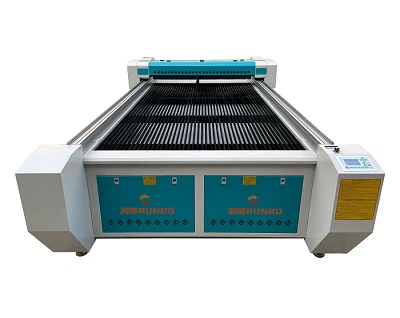
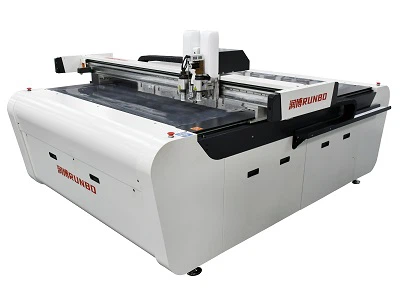
A fabric cutting machine is an essential piece of equipment widely used in industries such as garment manufacturing, home textiles, automotive interiors, furniture upholstery, outdoor products, and industrial fabrics. As modern production demands higher precision, efficiency, and consistency, fabric cutting equipment has evolved from traditional manual tools to advanced automated CNC systems. Today's fabric cutting machines not only improve productivity but also ensure superior accuracy, reduced labor dependency, and minimized material waste.
This article provides a comprehensive overview of the key functions of a fabric cutting machine, explaining how they contribute to improved production quality and operational efficiency.
1. Precision Cutting
1.1 High Accuracy Positioning
Fabric cutting machines equipped with servo motors, linear guides, and digital control systems can achieve extremely precise cutting results. Even for soft and stretchable fabrics, accurate dimension control ensures consistency across all pieces.
1.2 Suitable for Various Shape Designs
Whether it's simple straight lines or highly complex patterns, CNC fabric cutters follow digital designs with precision. This eliminates the inconsistencies commonly seen in manual cutting.
1.3 Layered Cutting Accuracy
In multi-layer cutting, each layer must maintain consistent shape and size. Advanced cutting machines apply uniform pressure and stable tool motion, ensuring precision from top to bottom layers.
2. High-Speed Cutting
2.1 Boosting Production Efficiency
Modern fabric cutters can reach extremely high cutting speeds-often exceeding 1,200 mm/s-allowing factories to handle bulk orders efficiently. Compared to manual cutting, production efficiency can improve by 3–10 times.
2.2 Continuous Operation
With automatic feeding and uninterrupted cutting, high-efficiency production lines can run all day without stopping. This greatly reduces downtime and labor consumption.
3. Compatibility with Multiple Fabric Types
3.1 Handles a Wide Range of Materials
A modern cutting machine can process various fabrics, including:
Cotton
Linen
Wool
Polyester
Nylon
Canvas
Denim
Leather & synthetic leather
Oxford fabric
Mesh fabric
Stretch fabric
Quilted materials
Laminated & coated textiles
3.2 Supports Special Fabrics
Some industries require cutting technical materials such as:
Kevlar
Carbon fiber
Industrial felt
Filters
Waterproof & fireproof fabrics
Fabric cutting machines adapt effortlessly to these materials with appropriate tool configurations.
4. Multiple Cutting Tool Options
4.1 Oscillating Knife
The most commonly used tool, suitable for:
Thick fabrics
Soft materials
Leather
Technical textiles
4.2 Rotary Knife
Ideal for:
Long straight lines
Curved patterns without short corners
Carpet-like materials
4.3 Pneumatic Tools
Provides strong cutting force for:
Hard fabrics
Composite materials
Multi-layer cutting
4.4 Drag Knife & Tangential Knife
Used for:
Thin fabrics
High-speed contour cutting
By changing tool heads, one machine can handle multiple applications.
5. Automated Feeding System
5.1 Continuous Roll Material Feeding
Suitable for:
Large-scale production
Roll fabrics
Long pattern cutting
5.2 Reducing Manual Handling
The feeding system automatically aligns and conveys the fabric to ensure smooth processing without manual intervention.
5.3 Consistent Cutting Quality
Even tension and fabric alignment lead to uniform results across the entire cutting process.
6. Automatic Nesting and Path Optimization
6.1 Digital Pattern Arrangement
Nesting software automatically arranges cutting patterns to minimize material waste.
6.2 Optimized Cutting Path
Reduces:
Machine travel distance
Cutting time
Energy consumption
6.3 Enhanced Material Utilization
Automatic nesting can improve fabric usage by 5–20%, reducing costs significantly over large-scale production.
7. Multi-Layer Cutting Capability
7.1 Cutting Several Layers at Once
Depending on machine type, fabric cutters can process:
2–30 layers (standard)
Up to 50+ layers (specialized models)
7.2 Precise Layer Compression
Automatic laminating systems stabilize multi-layer fabrics, ensuring accuracy.
7.3 Suitable for Bulk Production
Ideal for:
Uniforms
Denim jeans
Mass garment manufacturing
8. Intelligent Recognition and Positioning
8.1 CCD Camera Recognition
Cameras detect printed patterns and ensure contour cutting aligns perfectly with graphics.
8.2 Mark Point Positioning
Ensures consistent cutting for:
Patterned fabrics
Logos
Digital prints
8.3 Compensation for Fabric Distortion
The system automatically adjusts cutting paths to correct for material stretching or skewing.
9. Safety Features
9.1 Vehicle-grade Safety Sensors
Sensors stop machine movement when operators approach the cutting zone.
9.2 Emergency Stop Systems
Accessible emergency stop buttons guarantee immediate shutdown during abnormal operation.
9.3 Automatic Blade Protection
Prevents accidental injury during blade movement or tool changes.
10. Waste Collection and Material Management
10.1 Automatic Waste Removal
Cutting debris is collected in a designated container, keeping the workspace clean.
10.2 Reduced Cleanup Time
A cleaner production environment increases overall efficiency.
10.3 Improved Workplace Safety
Reduces hazards caused by loose materials.
Conclusion
Fabric cutting machines play a vital role in modern manufacturing. Their functions-ranging from precision cutting to multi-layer processing, intelligent positioning, material optimization, and automated feeding-contribute to higher productivity, greater precision, and reduced labor costs. As industries continue to automate, fabric cutting machines will remain essential tools for ensuring quality and competitiveness in global textile markets.