Look, I'll be honest. When I first started looking for a laser to cut acrylic and metal, I had no clue what I was doing. I thought one machine could do it all. Spoiler: it can't. Not really.
So if you're now Googling stuff like laser table cutter or acrylic laser cutter or even some weird term like lasersnijden machines (yeah, that's just Dutch for laser cutters – found that out the hard way), then sit down for five minutes. Let me save you some money.
The Acrylic Problem
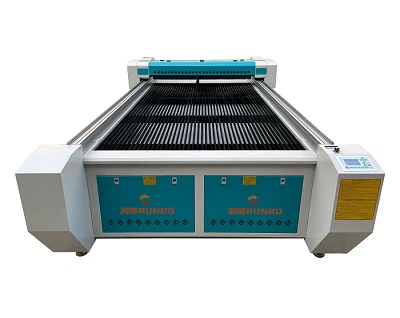
Most people come to me with the same first job: laser cutting of acrylic. They want clean, clear edges for signs or display boxes. And here's the thing – a regular co2 laser engraving machine is actually amazing at that. Like, really good. That's what an acrylic laser cutter really is under the hood. You don't need anything fancy.
But then they ask: "Can it also cut metal?" And that's where it all falls apart.

Metal Changes Everything
You take that same CO₂ machine, try to cut a piece of stainless… nothing. Maybe a scorch mark if you're lucky. What you actually need for metal is a fiber laser marking machine – or a dedicated cutting laser if you want to go through thicker sheets.
I made the mistake of buying a cheap "all-in-one" laser cutter and engraver once. Worst grand I ever spent. It couldn't cut acrylic cleanly or mark metal properly.
The Setup That Actually Works
After a lot of trial and error, here's what we run now:
One co2 laser engraving machine (80W) on a laser table cutter frame. That's for wood, leather, and laser cutting of acrylic.
One laser marking machine (fiber, 30W) for putting logos and serial numbers on steel and aluminum.
And if I had more floor space? I'd add a real laser cnc with a 1kW cutting laser for production work.
Some people ask about lasersnijden machines – honestly, that's just the same stuff, different name. Don't overthink it.
What About "Laser CNC"?
The term laser cnc gets thrown around a lot. All it means is that the laser head moves under computer control. Nearly every machine you see today is a laser cnc – the real question is the laser source: CO₂ for acrylic/organics, fiber for metal, diode for light hobby stuff.

One More Thing Nobody Tells You
The best laser to cut thick acrylic? A co2 laser engraving machine with good air assist. Without air, the flame climbs up the acrylic edge and leaves a mess. With air, it's like glass. Night and day.
And if you're cutting thin metal – like 1mm steel – a high-power laser marking machine can do it, but slowly. For any real volume, you want a proper cutting laser on a laser table cutter.
Bottom Line (from someone who learned the hard way)
Don't believe the marketing. A single laser cutter and engraver is great for hobbyists. For a real shop? You'll end up with at least two boxes: one CO₂ (your acrylic laser cutter) and one fiber (your laser marking machine). And if you're serious about metal fabrication, you'll eventually get a laser table cutter with a big cutting laser.
Oh, and if you ever see the term lasersnijden machines – that's just a fancy way of saying laser cutters. Same rules apply.
Now go cut something. But maybe test a sample first, yeah?
Got a specific material? Drop me a line with what you're actually cutting (thickness, daily quantity). I'll tell you which machine won't suck – and we can run a real test cut before you pay a cent.