In the dynamic world of manufacturing and packaging, understanding the right equipment and materials is crucial for businesses looking to stay competitive, efficient, and responsive to market demands. From the boxes that protect products during shipping to the precision tools that cut fabrics and materials with accuracy, every component plays a vital role in streamlining operations and delivering quality results. Today, we break down some of the most essential equipment, materials, and tools that are defining the industry-answering common questions like "what is a corrugated box" and highlighting the tools that make production smoother.

Corrugated Boxes: The Backbone of Packaging
For anyone in the packaging industry, one question comes up time and again: what is corrugated box? Simply put, a corrugated box is a durable, lightweight packaging solution made from corrugated cardboard-characterized by its ridged, wavy inner layer (known as fluting) sandwiched between two flat outer layers. This unique structure gives corrugated boxes exceptional strength and cushioning, making them ideal for shipping everything from small electronics to large industrial parts. Unlike standard paper boxes, corrugated boxes can withstand stacking, impacts, and moisture, making them a staple for businesses worldwide.
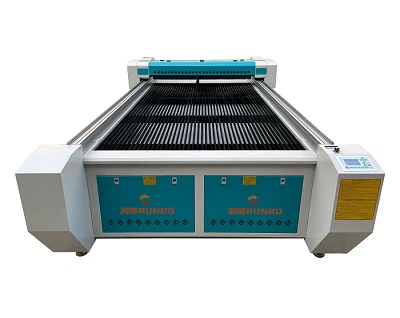
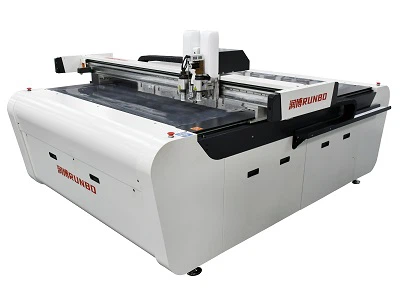
To meet the growing demand for custom corrugated boxes, businesses rely on specialized equipment like box production machines and paper carton box making machines. These machines automate the entire box-making process-from cutting cardboard sheets to folding and gluing-reducing labor costs and ensuring consistent quality. For businesses working with corrugated materials, a corrugated cutter is an essential tool, designed to make clean, precise cuts through corrugated cardboard without damaging its structure. Additionally, when working with corrugated plastic (also known as coroplast), knowing how to cut coroplast is key-and a corrugated cutter or specialized cutting tool ensures smooth, accurate edges every time.
Essential Production Equipment: From Box Making to Precision Cutting
Beyond box production, modern manufacturing relies on a range of specialized machines to handle different materials and tasks. For wood-based materials like MDF (medium-density fiberboard), a cnc mdf cutter or cnc machine mdf cutting system is a game-changer. These CNC machines deliver unmatched precision, cutting MDF into custom shapes, sizes, and designs with minimal waste-perfect for furniture manufacturing, signage, and industrial components. Unlike manual cutting tools, CNC MDF cutters ensure consistency, even for large-batch production.
When it comes to fabric cutting, precision and efficiency are non-negotiable. Machine cut fabric has become the standard for businesses in the textile, apparel, and upholstery industries, as it eliminates human error and speeds up production. There are several options for cutting machines for fabric, including digital fabric cutters, CNC cloth cutters, and specialized machine cutting fabric systems. These machines can handle a wide range of fabrics-from delicate cotton to heavy-duty textiles-ensuring clean cuts and minimal fabric waste. For businesses looking for versatility, an S cutter is a popular choice, known for its ability to make curved and intricate cuts with ease.


Innovative Materials: From Acoustics to Composites
While equipment drives efficiency, the right materials elevate product quality-and two materials gaining traction are pet felt acoustic panels and fiber composite materials. PET felt acoustic panels are a sustainable, effective solution for sound absorption, making them ideal for offices, homes, and commercial spaces. Made from recycled PET plastic, these panels are not only eco-friendly but also durable, easy to install, and available in a range of colors and designs-combining functionality with aesthetics.
Fiber composite materials, including carbon fiber materials, are revolutionizing industries from aerospace to automotive. Carbon fiber materials are known for their exceptional strength-to-weight ratio, corrosion resistance, and durability-making them ideal for high-performance components. Fiber composite materials, in general, blend different fibers (like carbon, glass, or aramid) with a resin matrix, creating a material that is stronger and lighter than traditional materials. When working with these materials, specialized cutting tools are required to ensure precision without damaging the fibers.
Another essential material in packaging and protection is EPE foam (expanded polyethylene foam). EPE foam is a lightweight, flexible, and shock-absorbent material, often used to wrap fragile products, line boxes, or create custom packaging inserts. Its soft, non-abrasive surface protects delicate items from scratches and impacts, making it a must-have for businesses shipping electronics, glassware, or other fragile goods.
Streamlining Operations with the Right Tools
In today's fast-paced manufacturing environment, businesses can't afford to rely on outdated tools or inefficient processes. Whether you're producing corrugated boxes with a paper carton box making machine, cutting fabric with a machine cut fabric system, or working with MDF using a CNC MDF cutter, investing in the right equipment and materials is key to success. By understanding the purpose of each tool-from a corrugated cutter to an S cutter-and the benefits of materials like PET felt acoustic panels and carbon fiber materials, businesses can streamline operations, reduce waste, and deliver higher-quality products.

At RUNBO, we offer a comprehensive range of equipment and materials to support your manufacturing needs-from box production machines and fabric cutting systems to carbon fiber materials and EPE foam. Our team of experts is here to help you choose the right tools for your specific application, ensuring you stay ahead in a competitive market. Contact us today to learn more about how we can elevate your production process.